Five Minutes Here, Five Minutes There: The Sneaky Way Micro-Sessions Are Eating Your Casino Budget Alive

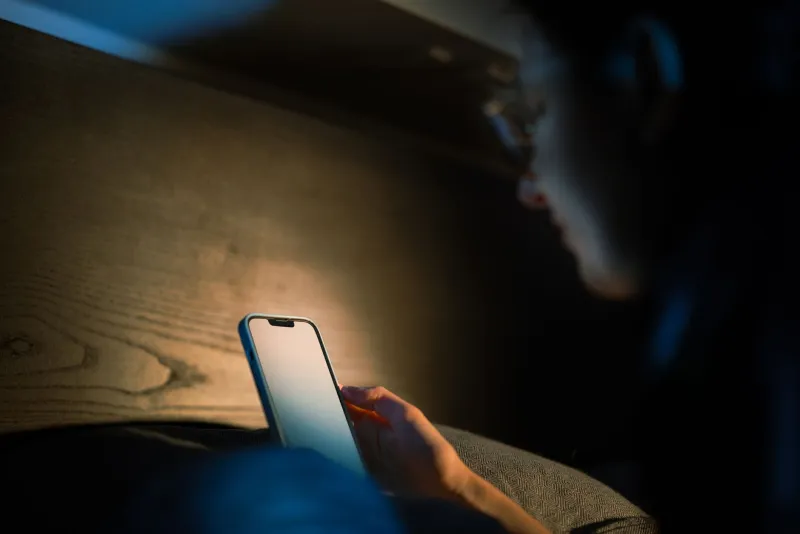
You're sitting at your desk in Brisbane, clock ticking down to your next Zoom call. There's a solid eight minutes of dead air between now and then. Your phone's right there. The casino app opens in seconds. One quick spin — maybe two — and you're back on the clock before anyone notices.
Sound familiar? You're not alone. Across Australia, a growing number of online players are slotting gambling into the gaps of their working day: the morning tea break, the lunch-hour flutter, the post-commute wind-down before dinner. Each session is tiny. Each one feels inconsequential. And that, right there, is exactly the problem.
The Illusion of the 'Harmless' Quick Spin
Human brains are genuinely terrible at tracking small, repeated costs. We're wired to register big single losses as significant while mentally filing away smaller, frequent ones as negligible. Behavioural economists call this the disaggregation effect — we fail to mentally bundle repeated small expenses into a meaningful total.
For casino players, this plays out in a very specific way. A $40 loss in one sitting feels bad. Fifteen separate $3-to-$5 micro-sessions across a week? Those barely register emotionally, even though you've potentially lost more in aggregate. The sting is distributed. The damage is not.
Research from Australian gambling harm organisations consistently shows that session frequency — not session length — is one of the strongest predictors of escalating losses. The more often you play, regardless of how briefly, the more opportunities there are for variance to work against you and for impulsive decisions to compound.
Why Work Downtime Is a Particularly Risky Trigger
Workplace gambling isn't just about boredom. It's about a very specific cocktail of mental states that make quick-fire gambling decisions feel reasonable when they really aren't.
Cognitive load is already depleted. After a string of meetings, a difficult client call, or a frustrating inbox, your prefrontal cortex — the part of your brain responsible for impulse control and long-term thinking — is genuinely fatigued. Decision fatigue is real, and it makes the path of least resistance (tap app, spin, chase) feel perfectly sensible.
The reward contrast is massive. Switching from a tedious spreadsheet to the visual and audio stimulation of an online slot is a dramatic dopamine contrast. Your brain registers the shift as intensely pleasurable, which reinforces the habit loop faster than almost any other gambling context.
Time pressure creates a false sense of control. There's a strange psychological comfort in knowing you have to stop in five minutes. It feels like a safety net. But that artificial time limit can actually encourage riskier bets — because if you're only playing briefly, you might unconsciously push stakes higher to 'make it worth it.'
The workplace context normalises it. When you're doing something sneaky and nothing bad happens, your brain files it as safe. Repeat that fifty times and the behaviour becomes entirely routine.
Doing the Maths Most Players Avoid
Let's get concrete. Say you're an average Aussie office worker with a standard five-day week. You squeeze in:
- A 5-minute session during your morning tea break
- A 10-minute flutter at lunch
- A quick 5-minute spin on the train home
That's roughly 20 minutes of gambling per working day. Across five days, that's an hour and forty minutes of weekly play — which sounds like nothing. But at even modest stakes of $2-$3 per spin on a standard slot with a 96% RTP, you're cycling through real money at a pace that adds up fast. Factor in variance, the occasional tilt session after a bad beat, and the tendency to extend sessions when you're on a roll or chasing a loss, and weekly micro-session losses for regular players can easily creep into the hundreds.
The kicker? Most players who do this have no idea what they're actually spending. They've never sat down and totalled it. They think of themselves as casual, low-stakes players — and in terms of individual sessions, that's technically true. But casual frequency is not the same as casual impact.
Recognising Whether You're in the Pattern
Not everyone who plays during a work break is in trouble. Context matters. But there are some honest questions worth asking yourself:
- Do you feel restless or irritable during work breaks when you don't gamble?
- Have you started keeping the app on your home screen specifically for quick access?
- Do you find yourself checking your balance or replaying sessions in your head during meetings?
- Has your lunch break gambling ever extended past the break itself?
- Do you feel like you're hiding this habit, even casually?
If two or more of those land uncomfortably close to home, the micro-session pattern may already be more entrenched than it feels.
Practical Ways to Break the Cycle
The good news is that habits formed around situational triggers — like work breaks — can be disrupted by changing the environment rather than relying purely on willpower.
Replace the stimulus, not just the behaviour. The break-time gambling habit is partly about seeking a stimulation contrast to work. Find something else that delivers a quick dopamine hit: a short walk outside, a punchy podcast episode, a game on your phone that doesn't involve real money. The goal is to decouple 'downtime' from 'casino time.'
Use deposit limits proactively. Most licensed platforms — including here at Woo Casino AU — allow you to set daily or weekly deposit limits. Setting these before a week begins, rather than reactively, is significantly more effective. You're making the decision from a place of clarity rather than mid-session fatigue.
Delete the app from your work phone. Not forever, necessarily — but making the casino slightly less instantly accessible during work hours creates a friction point that gives your impulse control a fighting chance.
Track every session, no matter how small. Keep a simple note on your phone: date, duration, amount deposited, amount withdrawn. The act of recording micro-sessions forces your brain to aggregate them into a real total. Most players find this exercise genuinely confronting — which is precisely the point.
Talk to someone if the pattern feels stuck. The National Gambling Helpline (1800 858 858) is free, confidential, and staffed by people who understand exactly this kind of creeping habit. You don't need to be in crisis to reach out.
The Bigger Picture
Online casino gaming at its best is a form of entertainment — something you choose deliberately, enjoy mindfully, and walk away from with your budget intact. Micro-sessions during work breaks are almost the opposite of that: reactive, habitual, and largely unconscious.
The five-minute spin isn't inherently dangerous. But five minutes, twelve times a week, driven by stress and boredom and the reflexive reach for your phone? That's a pattern worth looking at honestly — before your budget tells you the same thing a lot less gently.
Play for fun. Play with intention. And if work breaks are starting to look like gambling sessions, it might be time to give those breaks back to yourself.